01.1
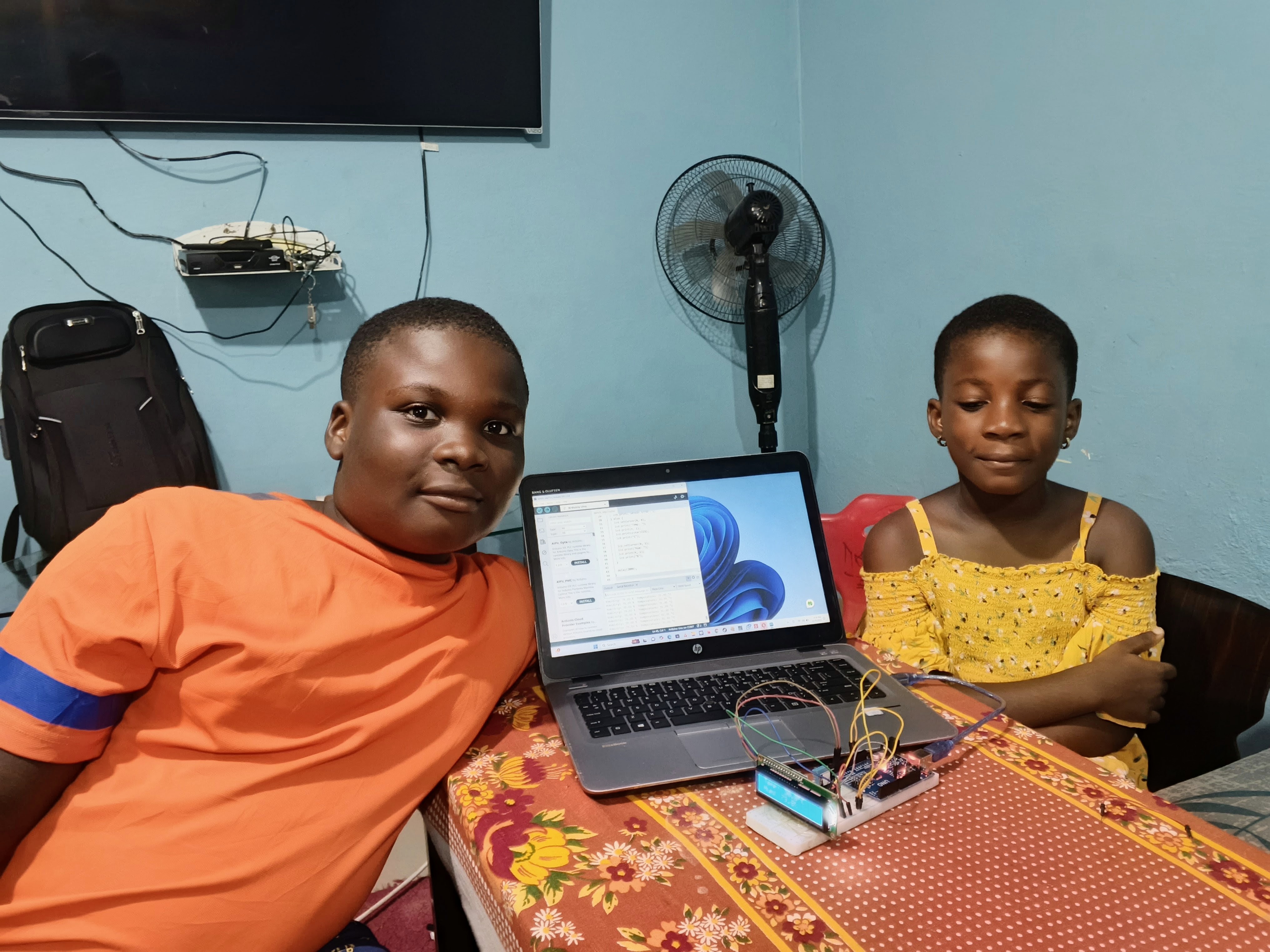
Home Tuition
One learner, one engineer, one table
A STEM specialist travels to you with the kit. Best where a student is far ahead, far behind, or simply not served by what school offers.
Ages 4–1860 or 90 minKit included
Est. 2020 · Two divisions. One standard of teaching.
The applied side of the group. We teach students aged 6 to 18 to design, build, break and repair real systems — through three delivery routes that can be combined however a family or a school needs.
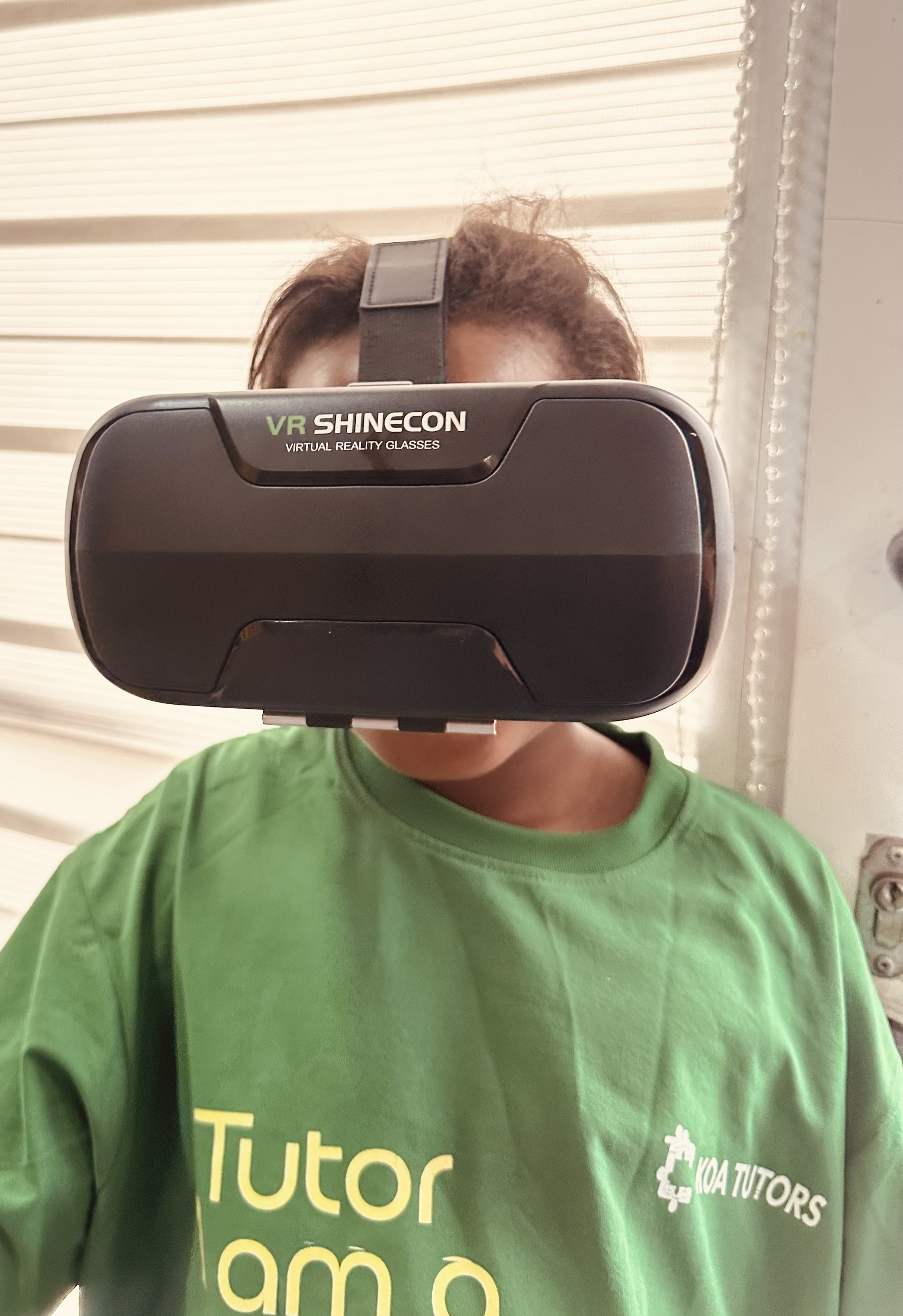
Whichever route you take, the progression map is identical — so a student can start with a home tutor, join a centre cohort in year two, and never repeat or skip a unit.
One learner, one engineer, one table
A STEM specialist travels to you with the kit. Best where a student is far ahead, far behind, or simply not served by what school offers.
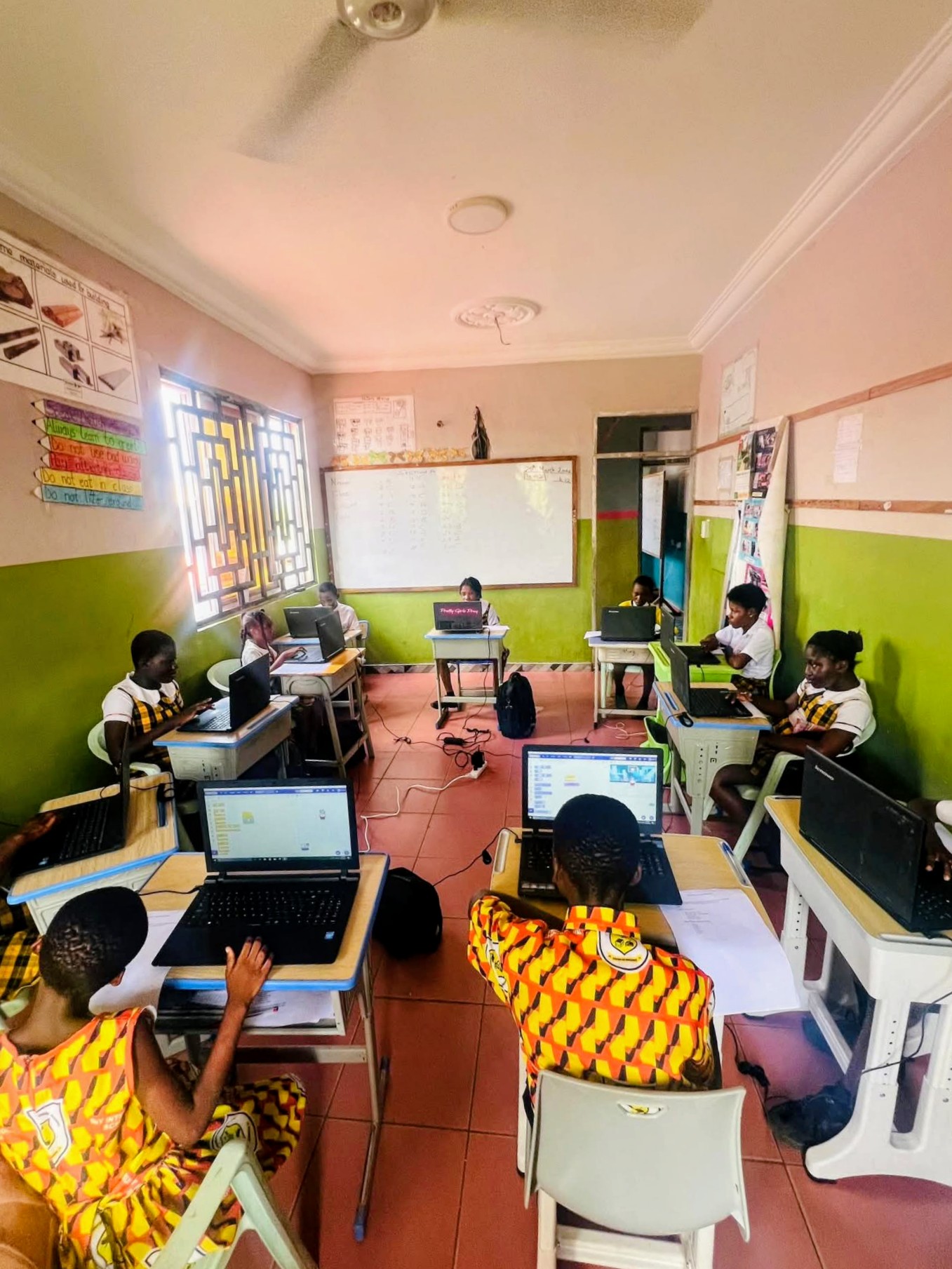
Whole-school capability, not a one-off assembly
We write the scheme of work, fit the laboratory, train your teachers and stay for the three years it takes to make it stick.
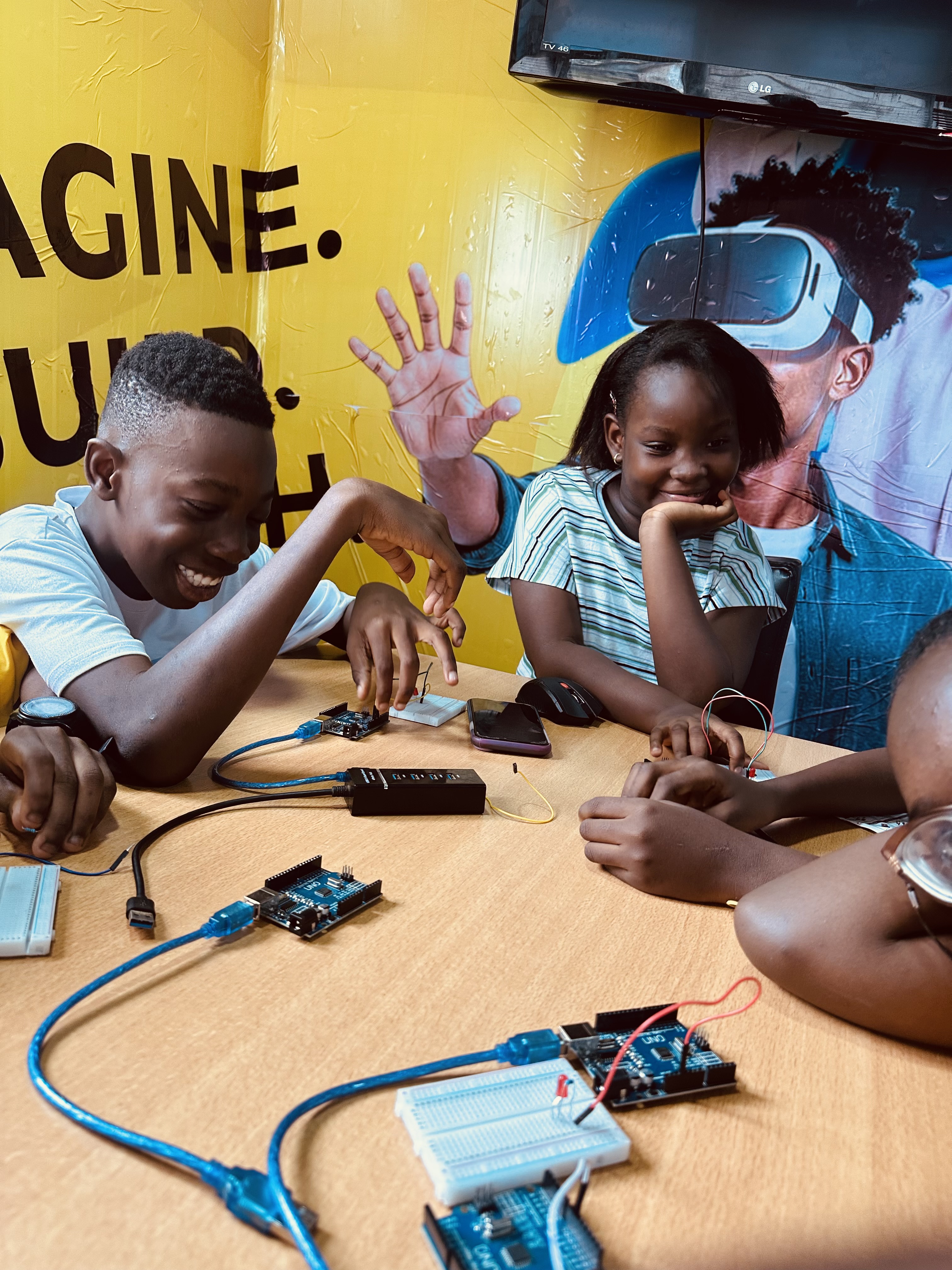
Cohorts on screen, workshops on the floor
Live small-group teaching online for theory and code, plus 2 innovation centres for the parts of engineering that need a bench and a soldering iron.
Written in 2011 after two years of getting it wrong. They apply to a nine-year-old with a line-following robot and a sixth-former training a classifier.
A concept is introduced when a student hits the wall that needs it. Torque is explained when the robot stalls, not three weeks before.
Industry-standard boards, version control, oscilloscopes and datasheets. We do not teach a simplified fiction that has to be unlearned later.
Every broken build gets a written post-mortem. Debugging is the transferable skill; the finished robot is a side effect.
Termly demonstrations where students present what they made to an audience that asks difficult questions.
Each family runs across four levels. A learner enters at the level their diagnostic places them, not the one their birthday implies.
Chassis design, gearing, sensor arrays and autonomous navigation. Students finish with a machine that works, not a worksheet.
Scratch to Python to TypeScript. Version control, testing and code review taught the way real engineering teams work.
Datasets, model behaviour, bias and evaluation. Students build a small model and then argue honestly about its limits.
Breadboards, soldering, microcontrollers and firmware. Every learner leaves with a working board they built themselves.
Structured NSMQ preparation: speed rounds, riddles, problem-of-the-day and true contest conditions with a bell and a clock.
Practical biology, chemistry and physics with genuine apparatus. Method, measurement error and honest write-ups.
The final level is an eighteen-week independent project with an assigned industry mentor. Fifty-eight of last year’s projects were entered for national competition.
I asked for a tutor to help with GCSE physics. What arrived was an engineer who made my son build a wind tunnel out of a fan and a shoebox. He got a 9. He also now wants to do aerospace.
Marcus Wills
Parent · KOA STEM Home Tuition, East Legon